


In the world of sustainable gardening, Bokashi composting stands as a green champion, offering a unique and efficient method for transforming kitchens waste into nutrient right soil. This comprehensive guide will take you through the basics of Bokashi Composting, it’s myriad benefits and the environmentally friendly impact it can have on your urban farm or garden.
Understanding Bokashi Composting
Bokashi Composting is an anaerobic fermentation process originating from Japanese faring practices. It involves the use of a special bran infused with effective micro-organisms (also called EM) to break down organic matter, including food scraps and kitchen waste.
The benefits of Bokashi Composting
Environmental impact:
Bokashi composting is a unique composting system in that it is anaerobic, which means that it minimises the greenhouse gas emissions that are typically produced during alternative composting methods. The biggest gas emission to note in this regard is methane emissions. This also means that your Bokashi Composting system will produce a less foul odour and is ideal for keeping inside your home.
With regards to water conservation, Bokashi Composting requires minimal water input hen compared to traditional composting methods, that makes this a water-wise choice for the eco-conscious gardeners.

Nutrient-rich Output:
The fermentation process in Bokashi Composting preserves more nutrients in the final compost than traditional composting methods, providing an extra boost for plant growth.
Bokashi Composting also contributes to a balanced soil pH, creating an ideal environment for plant roots, beneficial bacterias, and other necessary organisms to thrive.
Versatility and Convenience:
Bokashi composting accepts a broader range of kitchen waste, including meat, dairy and cooked food, when compared to alternative composting methods such as earthworm farming, reducing your family’s landfill contributions.
These bins are also compact and the odour emitted from it is far more pleasant and odourless, making it suitable for use inside your home or in limited space.
The Bokashi Composting Process
Bin Setup
Start with an airtight bin or bucket with a drainage spigot at the base. It is useful to install a tap fixture that has the ability to close to the bottom of the bucket to drain the nutrient-rich juice that is formed in the composting process.
Layer the bottom of your bucket with a handful of Bokashi Compost Bran.
Adding Kitchen Waste
Regularly add kitchen scraps to the bin, sprinkling a layer of Bokashi Compost Bran on top after each addition.
Fermentation Period
After every addition of kitchen scraps, and once the bin is full, seal the bin to create an anaerobic environment. Allow the waste to ferment for about two weeks.
It’s as simple as that!
Incorporating Bokashi Compost into Your Garden
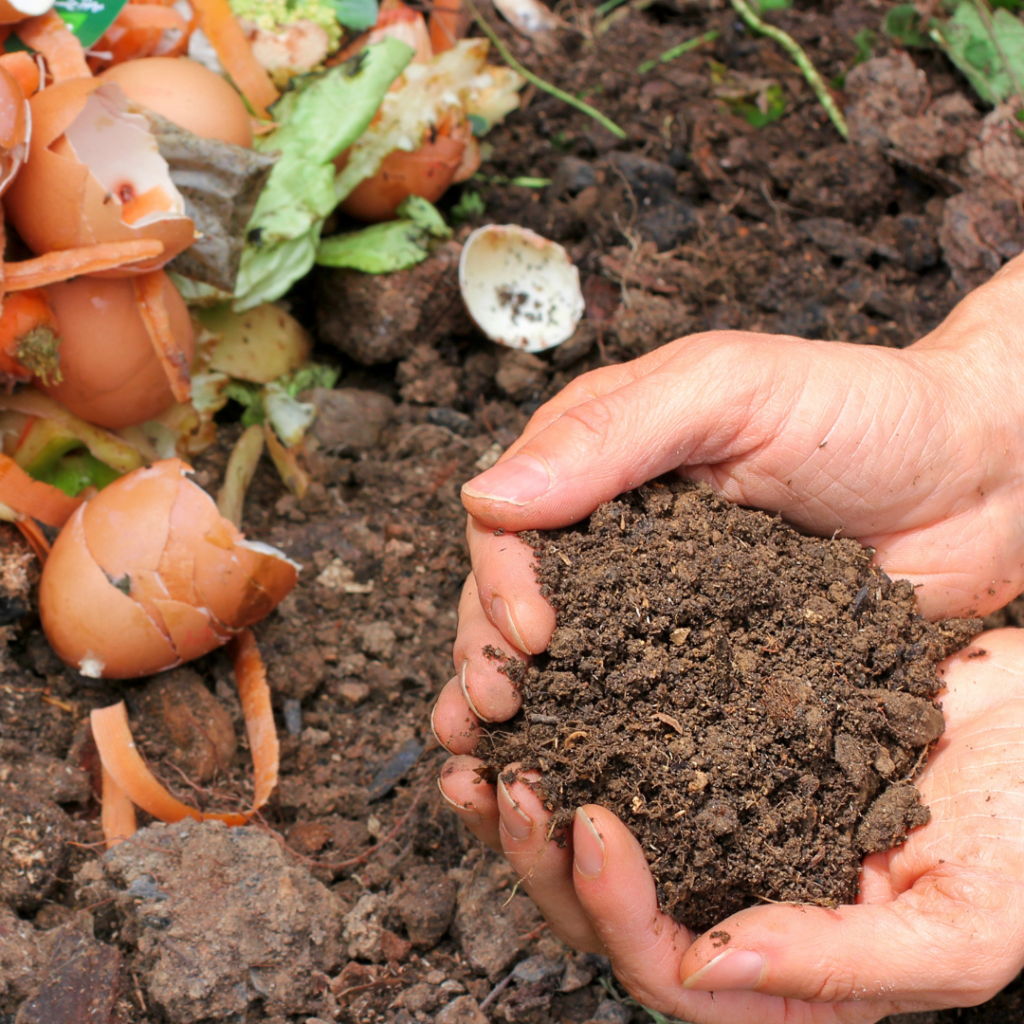
After the fermentation period, bury the Bokashi bin contents directly into your garden soil, road it to traditional compost bins for further decomposition. Blend the Bokashi Compost with your garden soil or use it as a top dressing to enrich the soil.
Troubleshooting and tips
White Mould Appearance
Don’t be alarmed by the appearance of white mild during fermentation it’s a natural part of the process.
Proper Sealing
Ensure that your Bokashi Bin is properly sealed after each use to maintain an anaerobic environment.
Bokashi Composting is more than just a method; it’s a sustainable journey towards nutrient-rich soil and a reduced environmental footprint. As you embark on your Bokashi adventure, savour the benefits of this eco-friendly practice, knowing that each bucket of fermented kitchen scraps contributes to a healthier garden and a greener planet.
Make a difference in your gardening practices by embracing the simplicity and effectiveness of Bokashi Composting. Your garden will thank you, and so will the Earth!
Did you know?
The African Micro Farm makes daily use our Bokashi Composting System to enrich our beautiful vegetable garden and garden health. We now have our own, in-house produced Bokashi Bran for sale, click here to order yours today!
Make sure to follow our Facebook or Instagram pages for daily updates on our farm