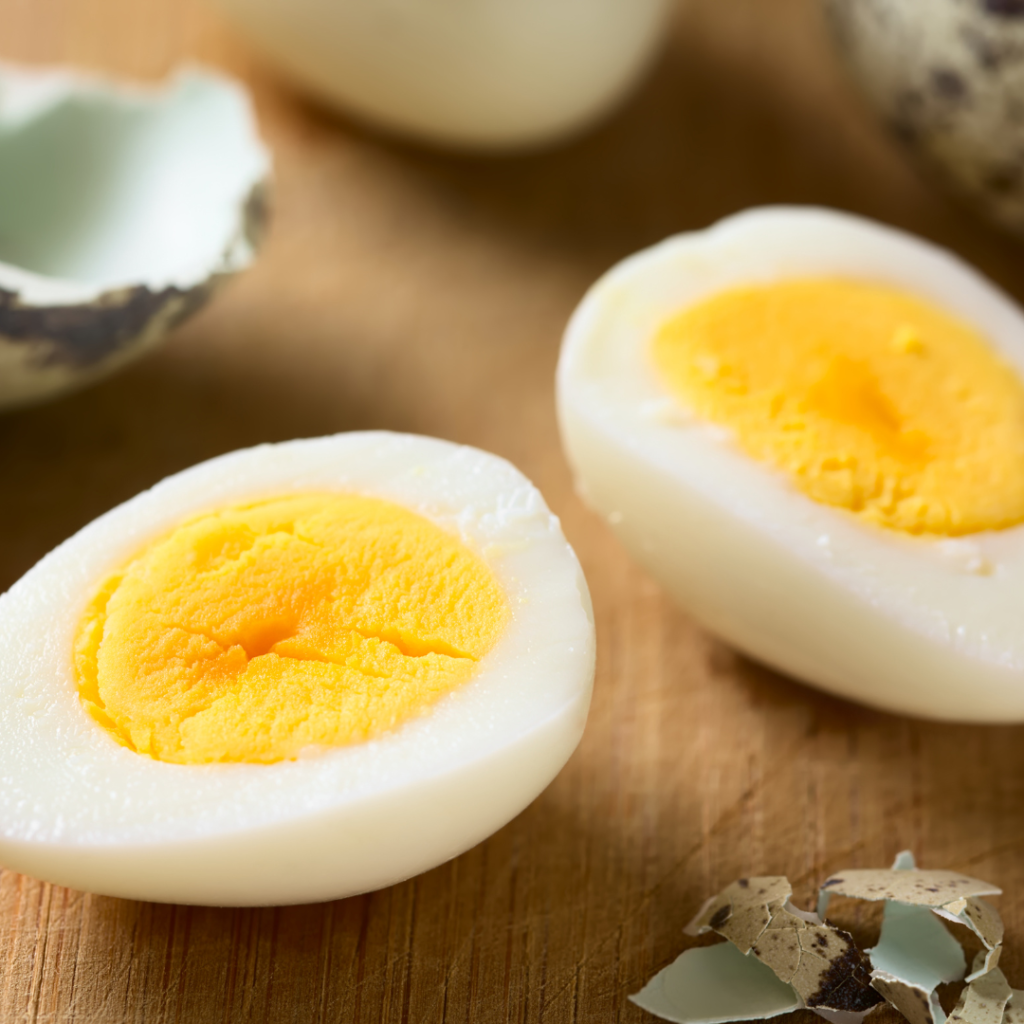
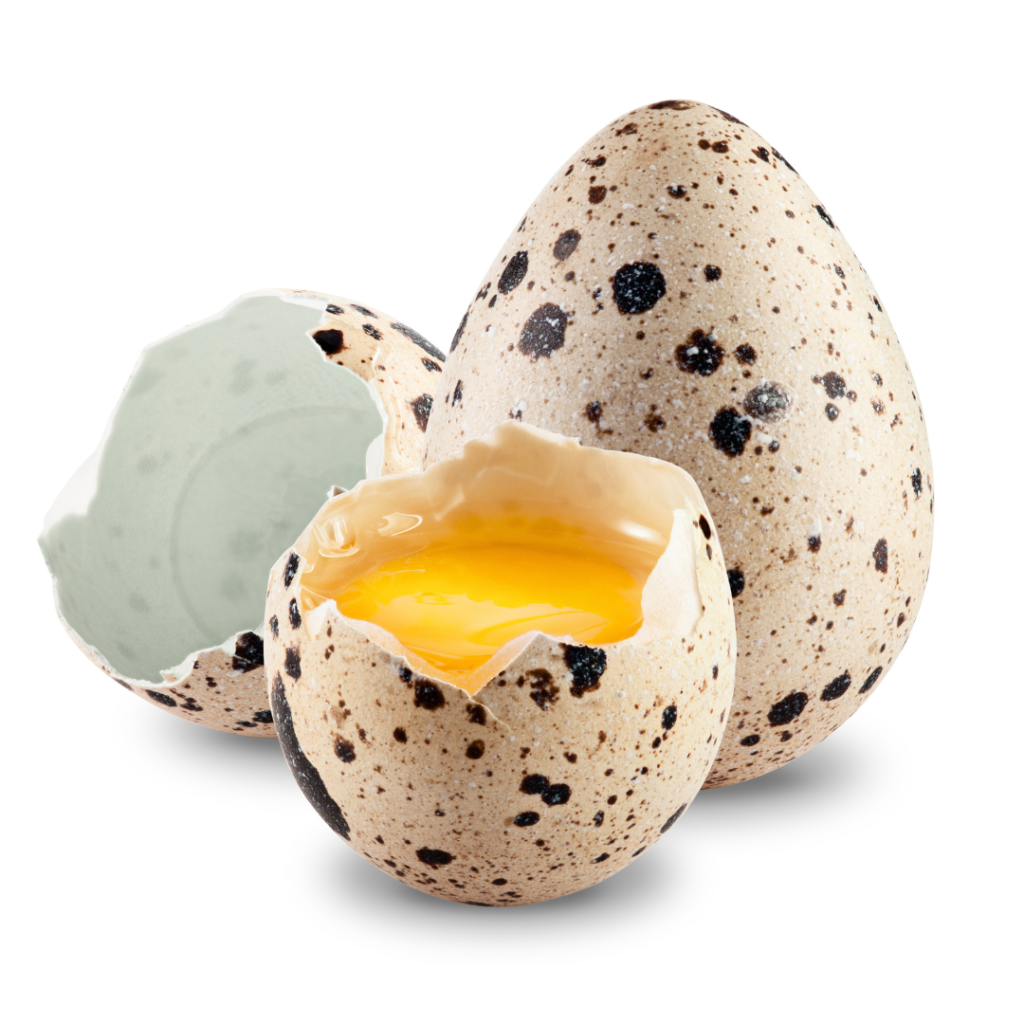
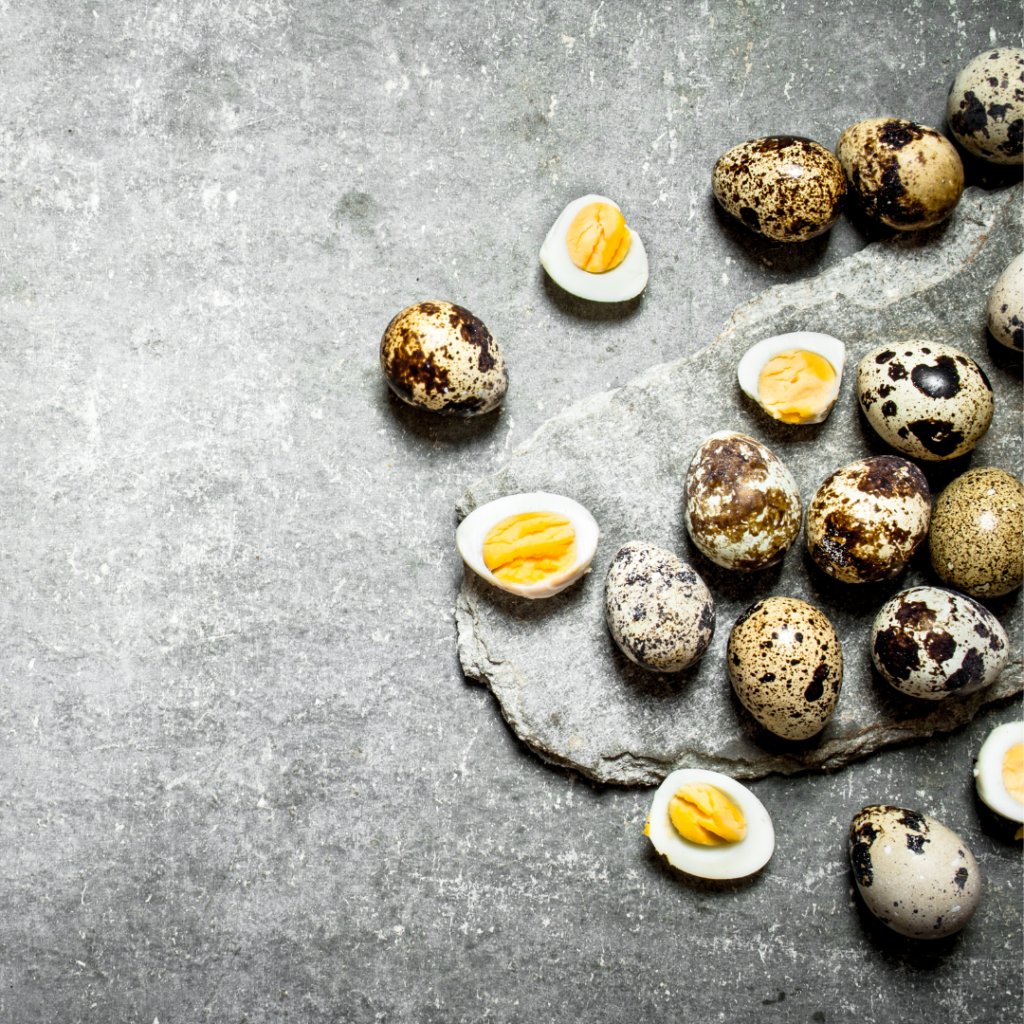
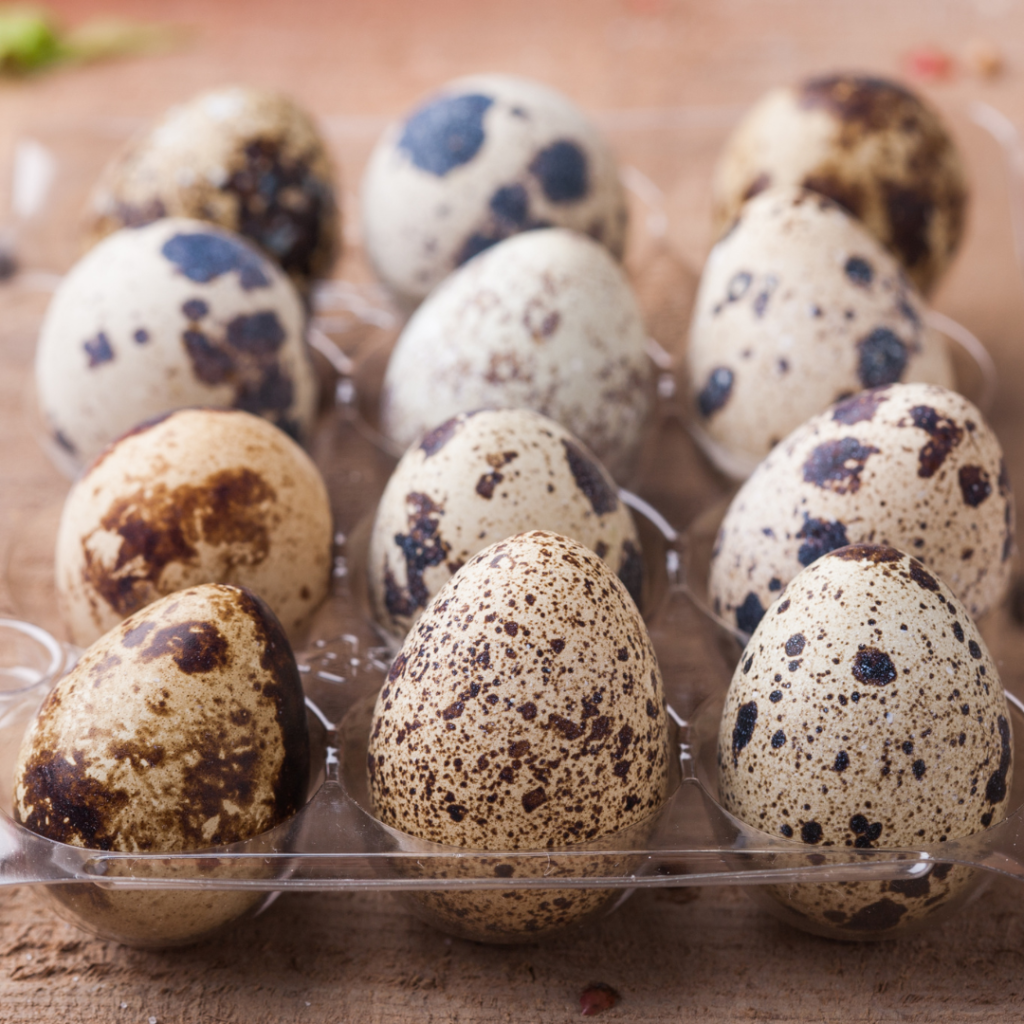
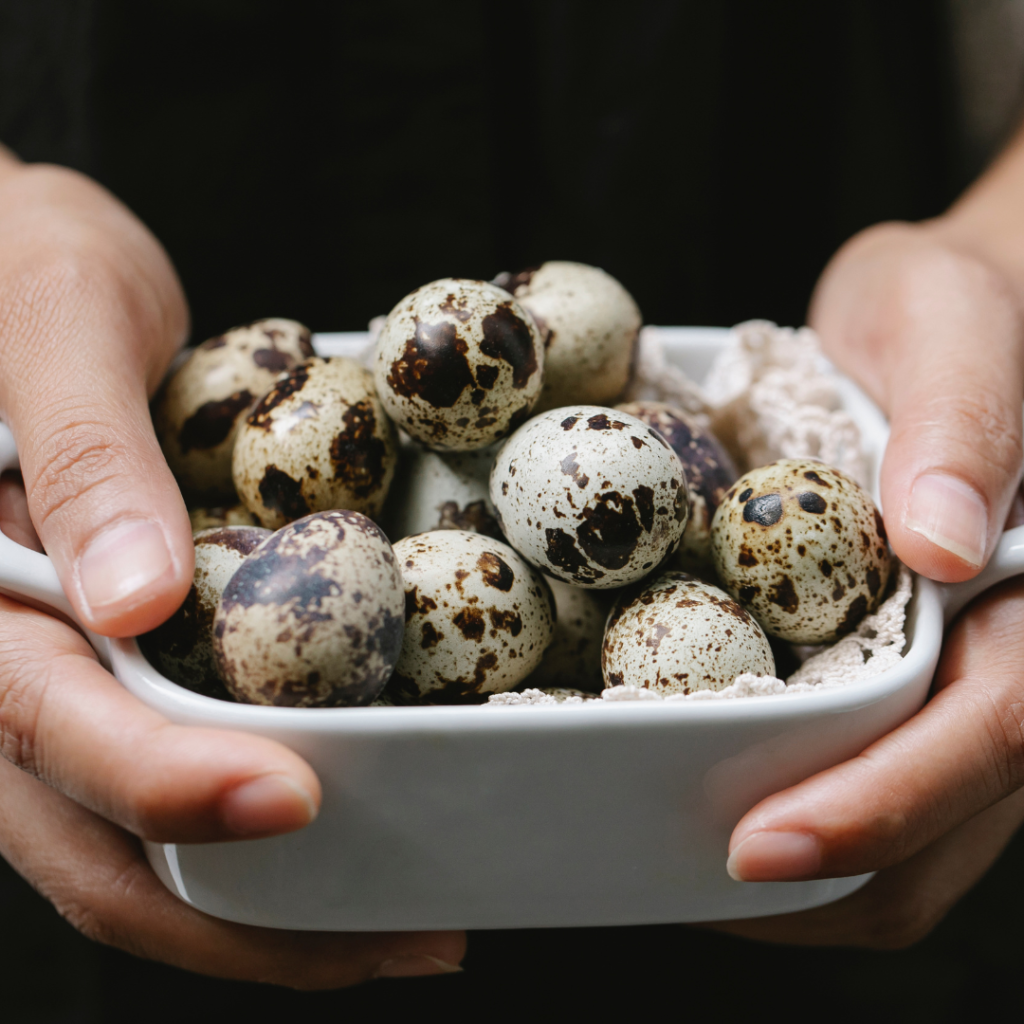
Quail eggs, though small in size, pack a nutritional punch that might surprise you. These miniature marvels are not only delicious but also offer a plethora of health benefits that make them a valuable addition to your diet.
Rich in Nutrients:
Quail eggs are a nutrient powerhouse, containing high levels of vitamins A, B2, and B12, along with essential minerals such as iron and zinc. These nutrients play a crucial role in maintaining overall health and supporting various bodily functions.
Protein Boost:
Despite their small size, quail eggs are a rich source of high-quality protein. Protein is essential for muscle repair, immune function, and overall cellular health. Incorporating quail eggs into your diet can be an excellent way to meet your protein needs.
Low Cholesterol Content:
Unlike chicken eggs, quail eggs have lower cholesterol levels. This makes them a heart-healthy option for those who need to manage their cholesterol intake. Enjoy the goodness of eggs without compromising on cardiovascular health.
Aid in Blood Circulation:
Quail eggs contain significant amounts of iron, a key component for maintaining healthy blood circulation. Iron is essential for preventing anemia and ensuring that your body’s cells receive an adequate oxygen supply.
Rich in Antioxidants:
Antioxidants play a crucial role in neutralizing harmful free radicals in the body. Quail eggs are rich in antioxidants like selenium, which helps protect cells from oxidative stress, supporting overall well-being.
Boosted Immune System:
The combination of vitamins and minerals found in quail eggs contributes to a strengthened immune system. Regular consumption may help ward off illnesses and keep your immune defenses robust.
Incorporating quail eggs into your diet can be a simple yet effective way to enhance your overall health. From providing essential nutrients to supporting heart health and immune function, these tiny eggs offer a range of benefits that make them a valuable addition to any well-balanced diet. Next time you’re at the grocery store, consider picking up a carton of quail eggs at our online shop here and explore the delicious and nutritious world they have to offer!
Please also follow us on Facebook and Instagram for regular updates on our farm.
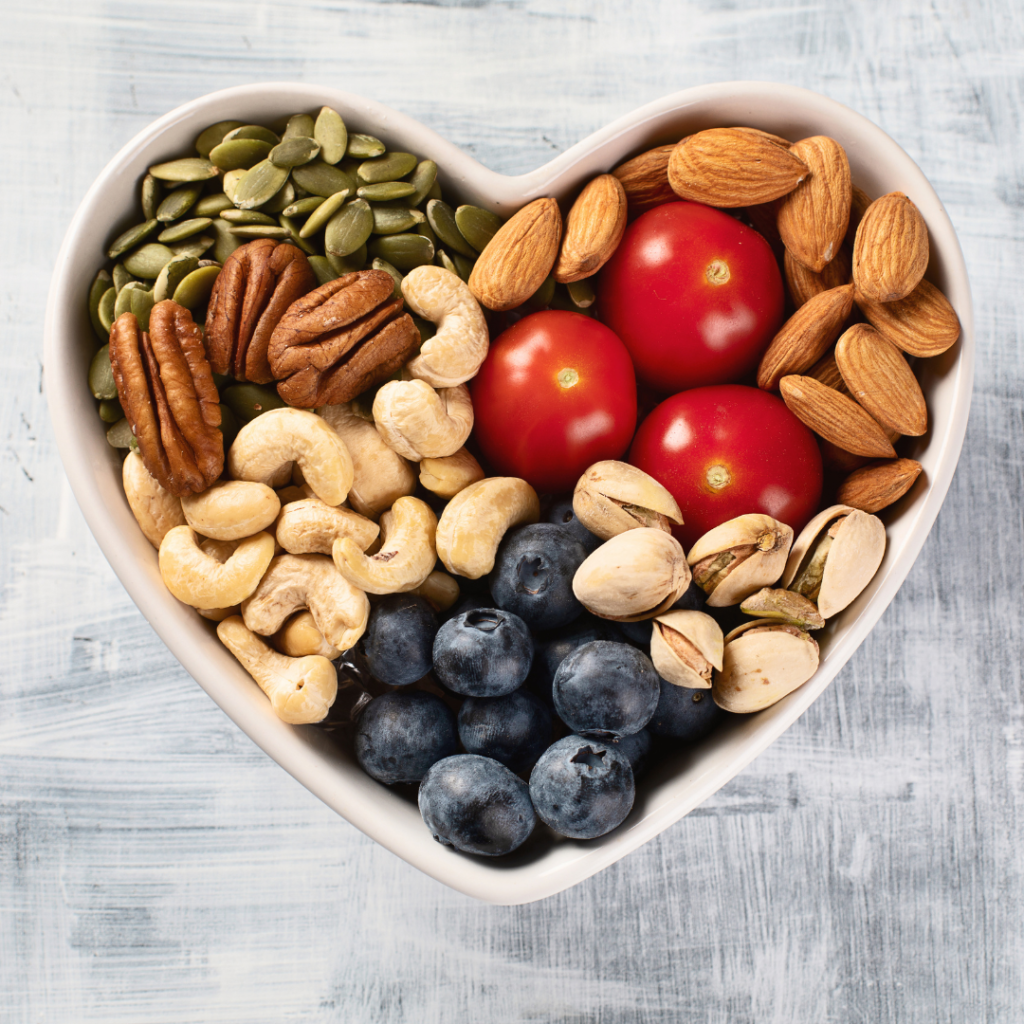
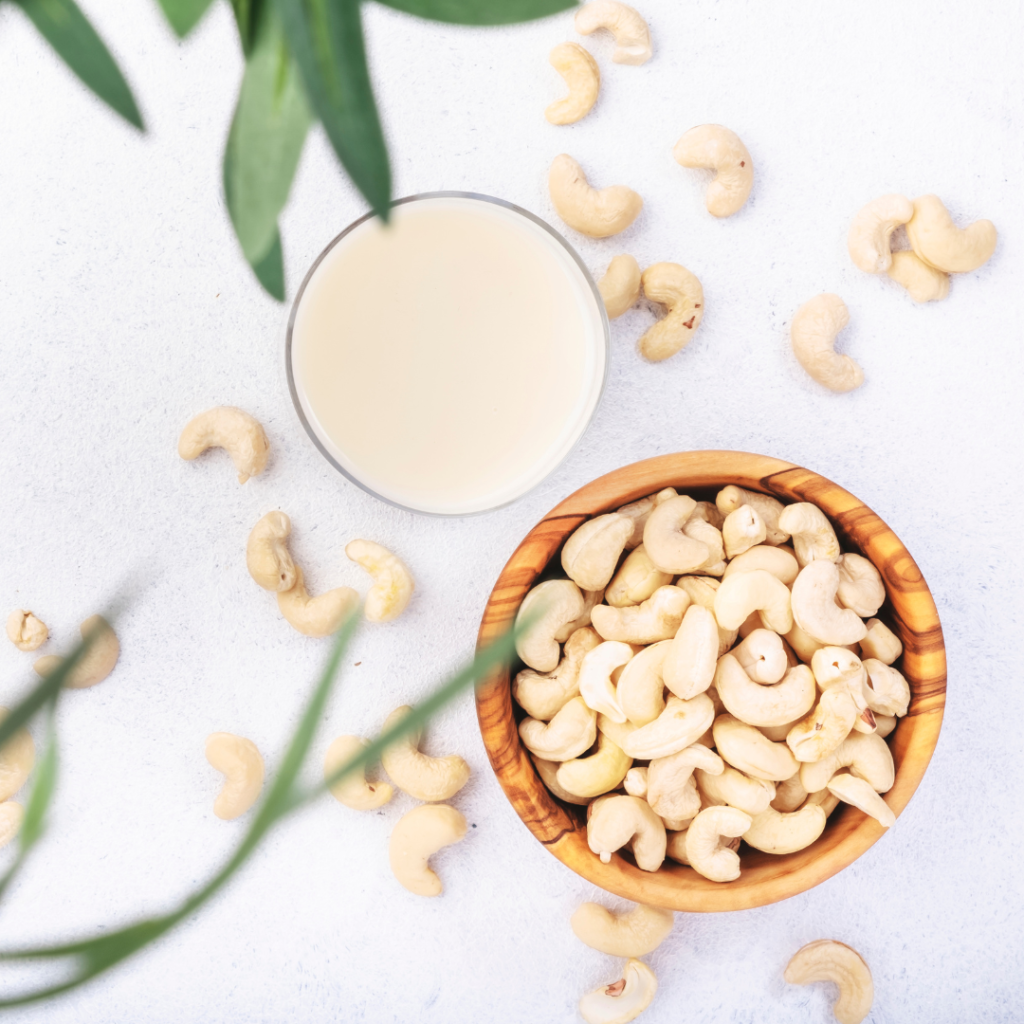
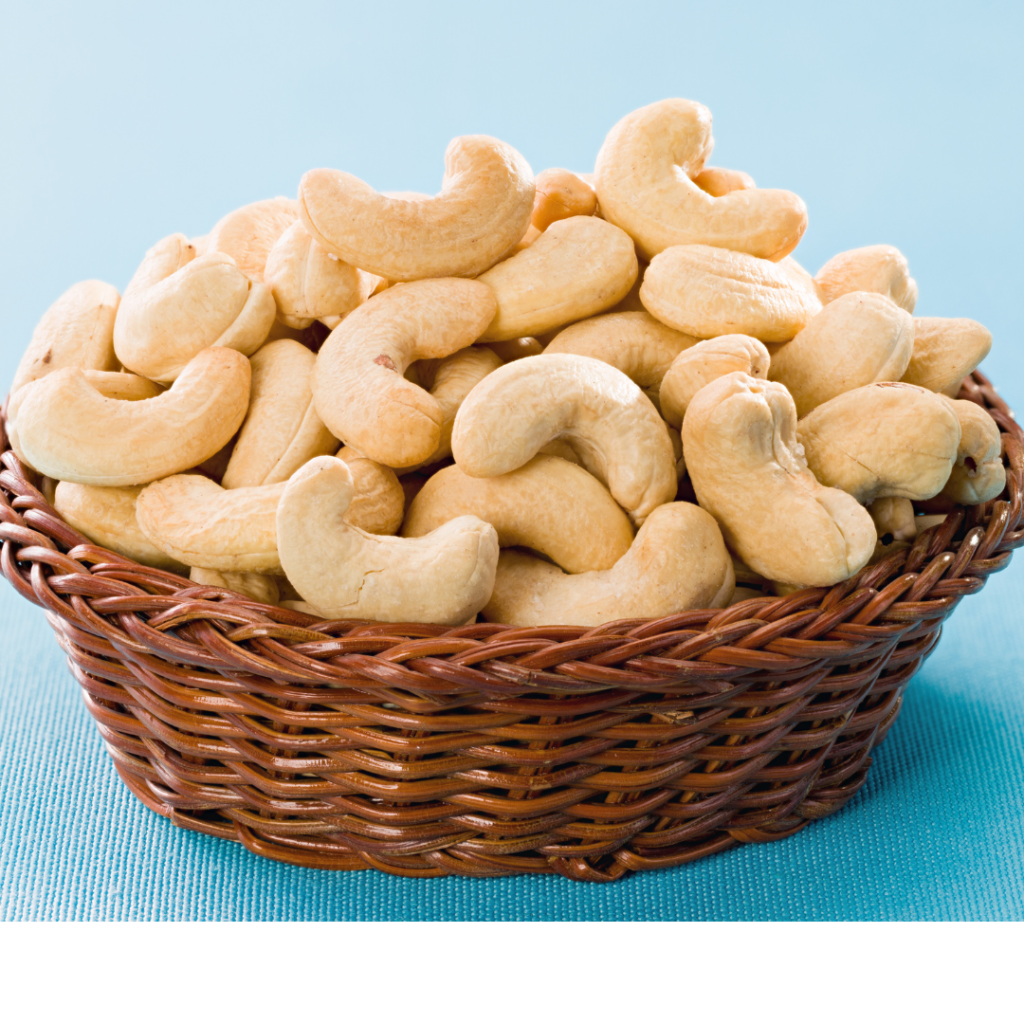
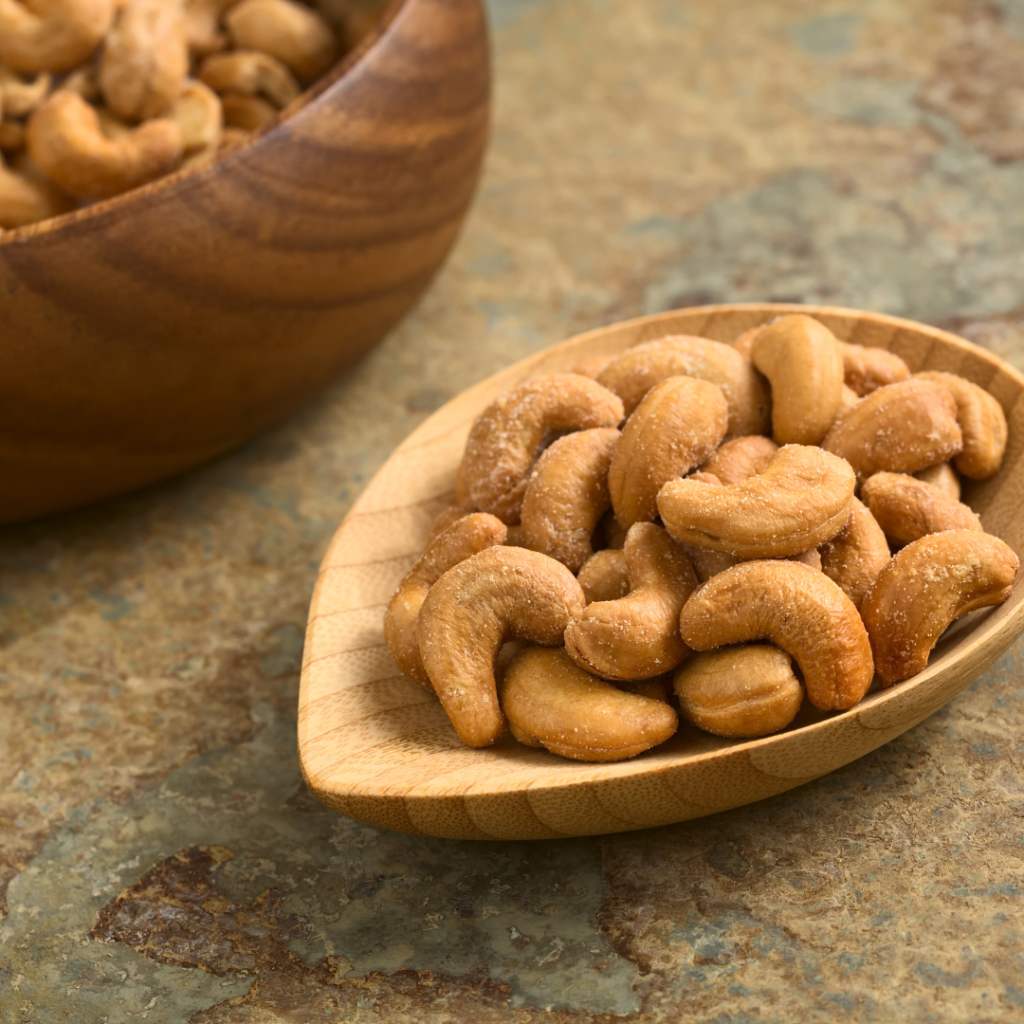
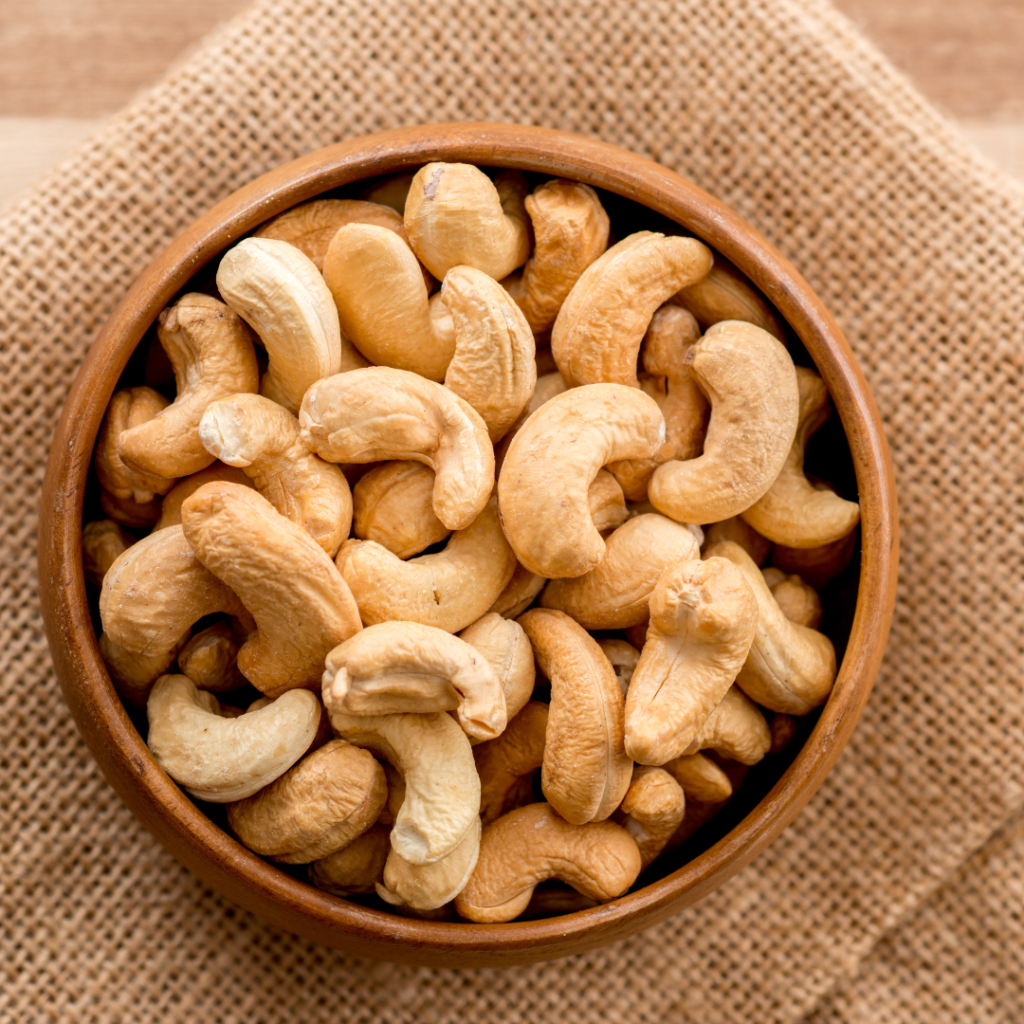
Cashew nuts aren’t just a delightful snack; they’re a nutritional powerhouse with a range of health benefits. Let’s explore the goodness these kidney-shaped wonders bring to the table and how incorporating them into your diet can contribute to your overall well-being.
Heart-Healthy Fats:
Cashews contain heart-healthy monounsaturated fats that can help lower bad cholesterol levels, promoting cardiovascular health. Including these nuts in your diet may contribute to a reduced risk of heart disease.
Rich Source of Nutrients:
Packed with essential vitamins and minerals, cashews offer a nutrient boost. They are particularly rich in copper, manganese, magnesium, and phosphorus, which play crucial roles in bone health, metabolism, and overall bodily function.
A Protein Powerhouse:
Cashews are a good source of plant-based protein, making them an excellent addition to vegetarian and vegan diets. Protein is essential for muscle repair, immune function, and the production of enzymes and hormones.
Weight Management Support
Despite their relatively high caloric content, cashews can aid in weight management. The combination of healthy fats, protein, and fiber contributes to a feeling of fullness, helping to control overall calorie intake.
Antioxidant Defense:
Cashews are rich in antioxidants, including vitamin E and selenium. These compounds help neutralize harmful free radicals in the body, protecting cells from oxidative stress and supporting overall health.
Blood Sugar Regulation:
Research suggests that regular consumption of cashews may help manage blood sugar levels. The combination of fiber and beneficial fats contributes to stabilized blood sugar, making them a smart choice for those concerned about diabetes.
Incorporating cashews into your diet isn’t just about enjoying a tasty snack; it’s a step towards a healthier, more balanced lifestyle. From supporting heart health to providing essential nutrients, these nuts offer a myriad of benefits that make them a valuable addition to any well-rounded diet. So, the next time you’re craving a crunchy and satisfying snack, reach for a handful of cashews and treat your taste buds while nourishing your body with these cashew nuts health benefits.
Here at the African Micro Farm you’re able to buy 250g or 500g Cashew Nuts in either raw, or roasted and salted options at our online store at Shop – The African Micro Farm OR if you’re happy to save a few rands but wait a little longer for your order, you’re welcome to check out our pre-order nuts here
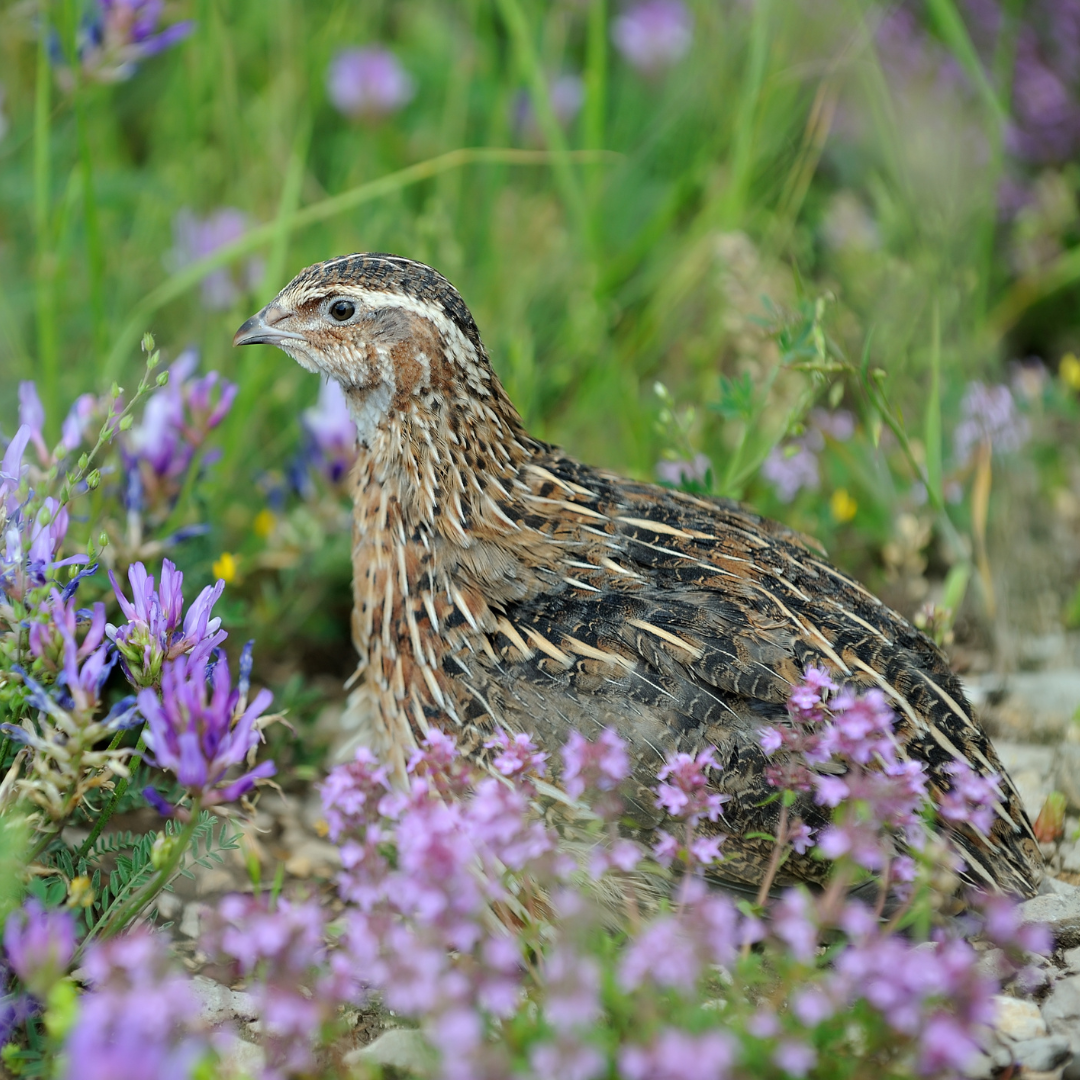
Embarking on the journey of Coturnix quail egg production is a fascinating endeavor that unfolds in stages, each contributing to the creation of those delectable eggs we find on our tables. In this exploration, we’ll take you through the complete process, from the anticipation of incubation to the moment of harvesting golden Coturnix quail eggs for your table.
The Promise of Fertile Eggs: The journey begins with the selection of fertile eggs, often marked by a speckled appearance. Coturnix quail are known for their prolific egg-laying capabilities, making the collection of fertile eggs an exciting and promising step. Keeping laying hens and roosters happy and healthy is crucial to them producing good quaility fertile eggs and hatchlings. This includes a nutrient-dense diet of poultry feed, fresh greens daily and insects, as well as a clean habitat that keeps them protected from the elements and comfortable.
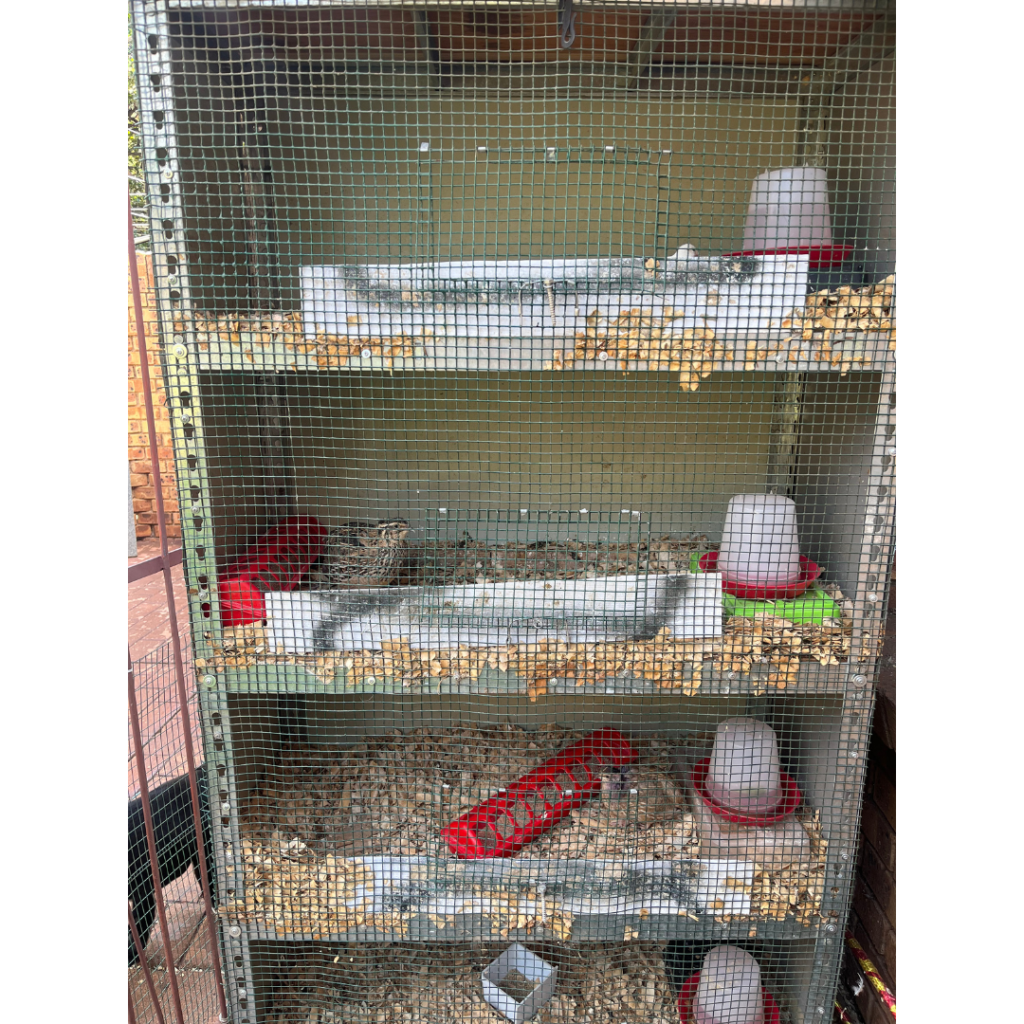
Here at the African Micro Farm we pride ourselves on not conforming to factory farming standards of overcrowded cages and only the basics of food provision. Our quails are kept in runs with 14 hens and two roosters with plenty of space to move around, they have constant flow of clean water and receive a wide variety of feed on top their daily poultry feed requirements. Quails also require regular dust baths to prevent parasites, something they also thoroughly enjoy.
Beyond that, medical care when needed is also vital. At the AMF no bird is left to suffer unnecessarily. All wounds and diseases are treated as quickly as possible in our Hospital Cage, where afflicted quails can take a break from the pressures of living in a flock, and take the time to rest and recuperate.
Our hens typically lay 5-7 eggs a week each during the summer, with these numbers going down during the winter months. We grant our hens the time to rest during winter as nature inteded, not encouraging additional eggs with artificial lighting, as we know this will aid in our hens’ longevity and ultimately have them producing more eggs over their lifespan.
The Incubation Period:
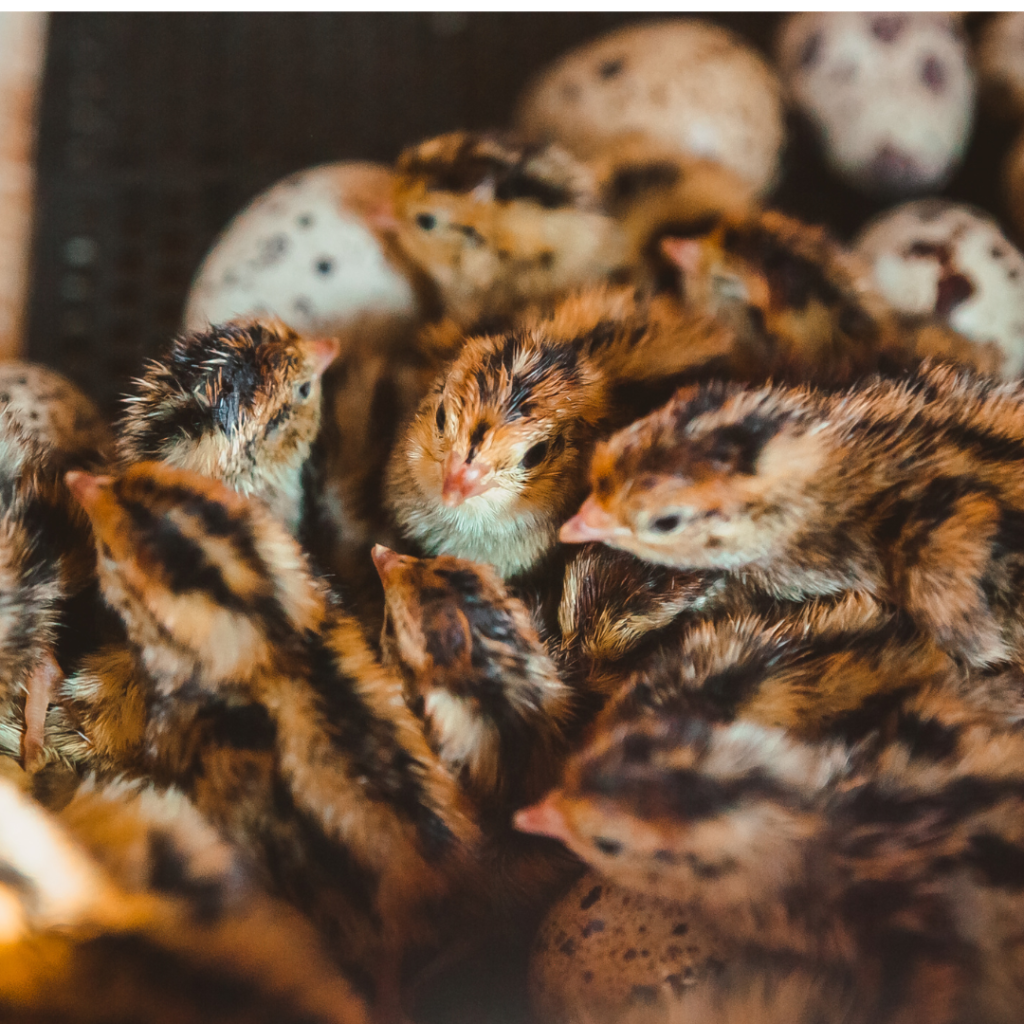
Once gathered, these fertile eggs find their way into the warmth of the incubator. The incubation period typically lasts 17 to 18 days, during which optimal temperature and humidity conditions are maintained. Watching as life develops within those fragile shells is a moment of anticipation and wonder, and we always look forward to watching the little fluffy chicks emerge from their shells!
Hatching Day Joy: As the incubation period comes to an end, the tiny chirps of newly hatched quail fill the air. Witnessing the emergence of fluffy chicks is a heartwarming experience. At this point, the journey of each egg transforms into the bustling life of a quail chick. The chicks remain in the incubator for 24-48 hours after hatching. This ensures the chicks have a chance to dry out completely before experiencing any temperature changes, and gives any unhatched eggs the opportunity to hatch before the incubator is opened, which inevitably drops the humidity, an detrimental event to any hatchlings still in their eggs.
Brooding and Tender Care:
Post-hatching, the quail chicks require attentive brooding. Heat lamps or brooders create a cozy environment for the chicks to thrive. This stage is crucial for their early development, ensuring they grow into healthy, robust birds. A couple of things that are of the utmost importance during the first few weeks of life, is an incredibly clean and dry broodbox, access to clean water, in a container that is either very shallow, or has marbles in to prevent chicks from drowning. We typically will add a little bit of honey and apple cider vinegar to their water in the first few days as a pick me up and a preventative for sour crop. The chicks are also fed a high protein diet of very finely ground food to support their little bodies during this fast growing phase.
Feeding and Growth: As the quail chicks grow, their diet evolves. A balanced quail feed becomes the cornerstone of their nutrition, providing the essential nutrients needed for proper growth, feather development, and overall well-being. Unfortunately, in South Africa, we don’t have the convenience of ready made quail food to feed our birds, so we feed a high quality broiler feed and supplement it with additional sources of protein and minerals to ensure they are as healthy as possible.
The Arrival of Egg-Laying Hens: Most sources online will tell you that around 6 to 8 weeks of age, Coturnix quail reach maturity, and the hens begin laying eggs. It has been our experience that quails kept under natural sunlight will only start laying around 10-12 weeks, nonetheless, this is a very fast turnaround to production compared to other poultry breeds. The once tiny, fragile eggs have now transformed into a steady source of nutritious goodness.
Collecting and Handling:
Harvesting Coturnix quail eggs involves gentle and careful collection. Quail eggs are renowned for their delicate shells, and handling them with care ensures they arrive at the table intact and ready for consumption. We don’t typically wash our eggs unless they are very dirty, washing the eggs removes the protective bacterial layer naturally occurring around the egg, thereby causing the eggs to go off more quickly.
Culmination at the Table:
The journey concludes with the culinary delight of Coturnix quail eggs on your table. Whether used in gourmet dishes or enjoyed on their own, these eggs bring a unique flavor and nutritional profile that distinguishes them from other poultry eggs.
The journey from egg to table in Coturnix quail egg production is a testament to the wonders of nature and the care bestowed upon these remarkable birds. Each step contributes to the creation of nutritious and flavorful eggs, making them a cherished addition to any kitchen. So, the next time you savor a Coturnix quail egg, remember the journey it undertook to reach your table, a journey filled with anticipation, warmth, and the joy of wholesome harvest.
The African Micro Farm happily sells incredibly fresh quail eggs, available here
Remember to follow us on our Facebook and Instagram pages for daily updates!
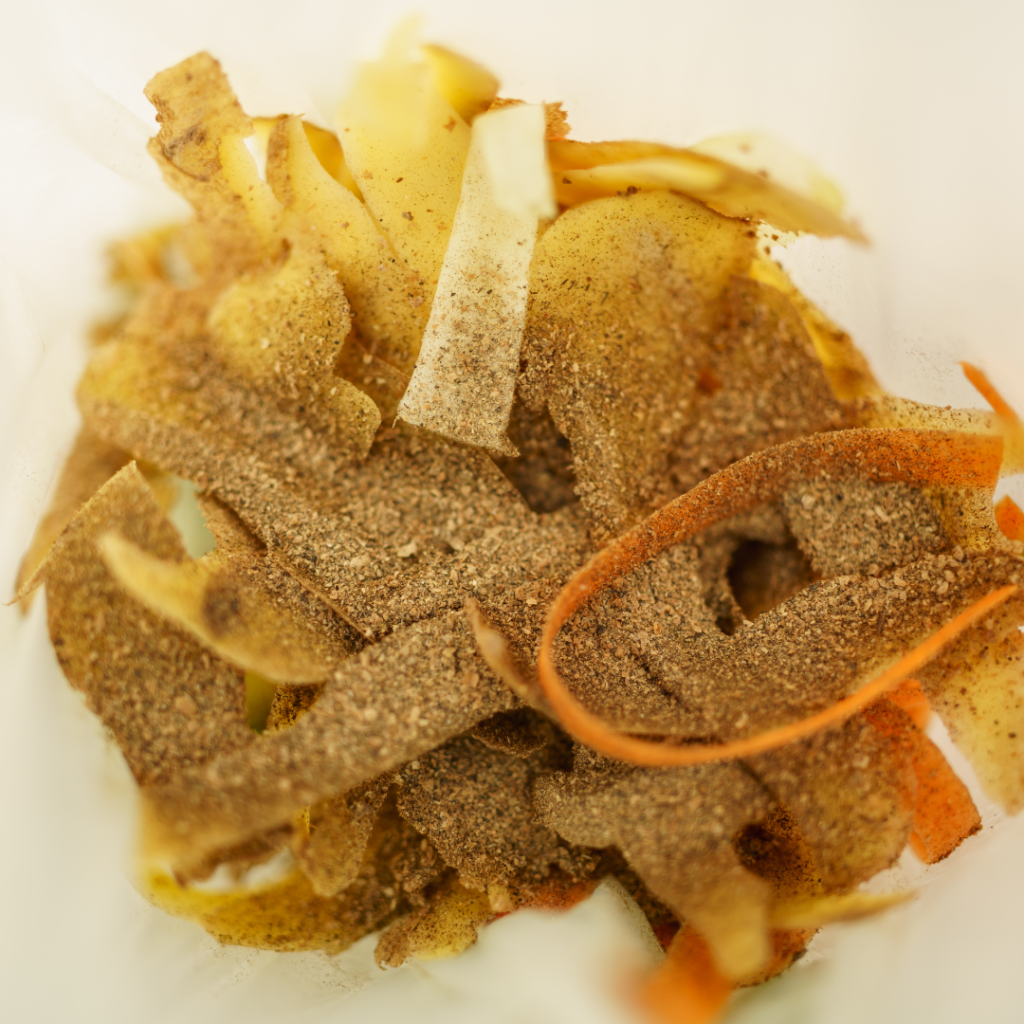
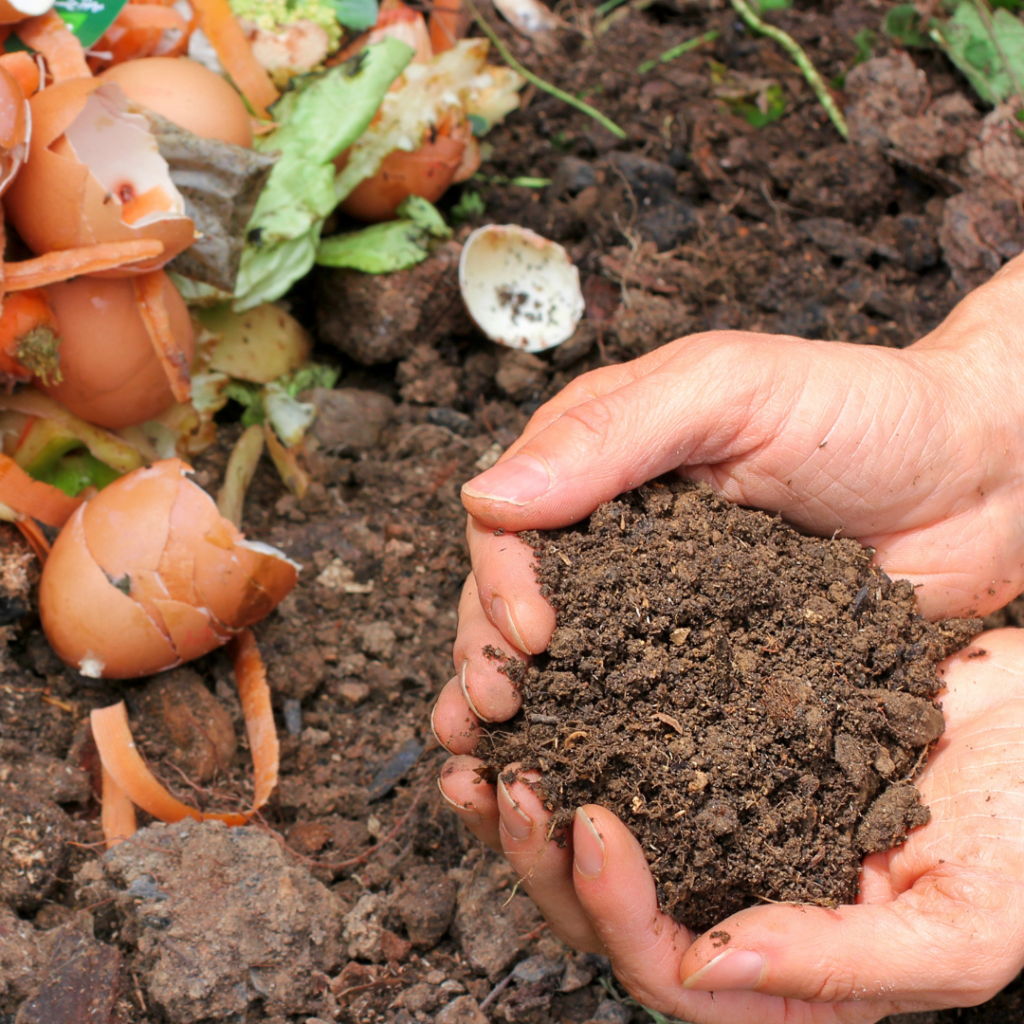
In the world of sustainable gardening, Bokashi composting stands as a green champion, offering a unique and efficient method for transforming kitchens waste into nutrient right soil. This comprehensive guide will take you through the basics of Bokashi Composting, it’s myriad benefits and the environmentally friendly impact it can have on your urban farm or garden.
Understanding Bokashi Composting
Bokashi Composting is an anaerobic fermentation process originating from Japanese faring practices. It involves the use of a special bran infused with effective micro-organisms (also called EM) to break down organic matter, including food scraps and kitchen waste.
The benefits of Bokashi Composting
Environmental impact:
Bokashi composting is a unique composting system in that it is anaerobic, which means that it minimises the greenhouse gas emissions that are typically produced during alternative composting methods. The biggest gas emission to note in this regard is methane emissions. This also means that your Bokashi Composting system will produce a less foul odour and is ideal for keeping inside your home.
With regards to water conservation, Bokashi Composting requires minimal water input hen compared to traditional composting methods, that makes this a water-wise choice for the eco-conscious gardeners.
Nutrient-rich Output:
The fermentation process in Bokashi Composting preserves more nutrients in the final compost than traditional composting methods, providing an extra boost for plant growth.
Bokashi Composting also contributes to a balanced soil pH, creating an ideal environment for plant roots, beneficial bacterias, and other necessary organisms to thrive.
Versatility and Convenience:
Bokashi composting accepts a broader range of kitchen waste, including meat, dairy and cooked food, when compared to alternative composting methods such as earthworm farming, reducing your family’s landfill contributions.
These bins are also compact and the odour emitted from it is far more pleasant and odourless, making it suitable for use inside your home or in limited space.
The Bokashi Composting Process
Bin Setup
Start with an airtight bin or bucket with a drainage spigot at the base. It is useful to install a tap fixture that has the ability to close to the bottom of the bucket to drain the nutrient-rich juice that is formed in the composting process.
Layer the bottom of your bucket with a handful of Bokashi Compost Bran.
Adding Kitchen Waste
Regularly add kitchen scraps to the bin, sprinkling a layer of Bokashi Compost Bran on top after each addition.
Fermentation Period
After every addition of kitchen scraps, and once the bin is full, seal the bin to create an anaerobic environment. Allow the waste to ferment for about two weeks.
It’s as simple as that!
Incorporating Bokashi Compost into Your Garden
After the fermentation period, bury the Bokashi bin contents directly into your garden soil, road it to traditional compost bins for further decomposition. Blend the Bokashi Compost with your garden soil or use it as a top dressing to enrich the soil.
Troubleshooting and tips
White Mould Appearance
Don’t be alarmed by the appearance of white mild during fermentation it’s a natural part of the process.
Proper Sealing
Ensure that your Bokashi Bin is properly sealed after each use to maintain an anaerobic environment.
Bokashi Composting is more than just a method; it’s a sustainable journey towards nutrient-rich soil and a reduced environmental footprint. As you embark on your Bokashi adventure, savour the benefits of this eco-friendly practice, knowing that each bucket of fermented kitchen scraps contributes to a healthier garden and a greener planet.
Make a difference in your gardening practices by embracing the simplicity and effectiveness of Bokashi Composting. Your garden will thank you, and so will the Earth!
Did you know?
The African Micro Farm makes daily use our Bokashi Composting System to enrich our beautiful vegetable garden and garden health. We now have our own, in-house produced Bokashi Bran for sale, click here to order yours today!
Make sure to follow our Facebook or Instagram pages for daily updates on our farm