

Welcome to the world of sustainable kitchen composting with Bokashi Bran! This user guide will walk you through the steps of using Bokashi Bran in your bokashi composting system for efficient and odor-free kitchen waste recycling.
I. What is Bokashi Composting?
Bokashi composting is a fermentation process that transforms kitchen organic waste into nutrient-rich compost using a special bran infused with beneficial microorganisms.
II. Getting Started:
- Bokashi Bin Setup:
- Use a dedicated airtight Bokashi composting bin with a drainage system.
- Place a drainage tray beneath the bin to collect liquid (bokashi tea).
- Assembling Your Bokashi Kit:
- Bokashi Bran
- Bokashi Composting Bin
- Kitchen Scraps
III. Steps for Bokashi Composting:
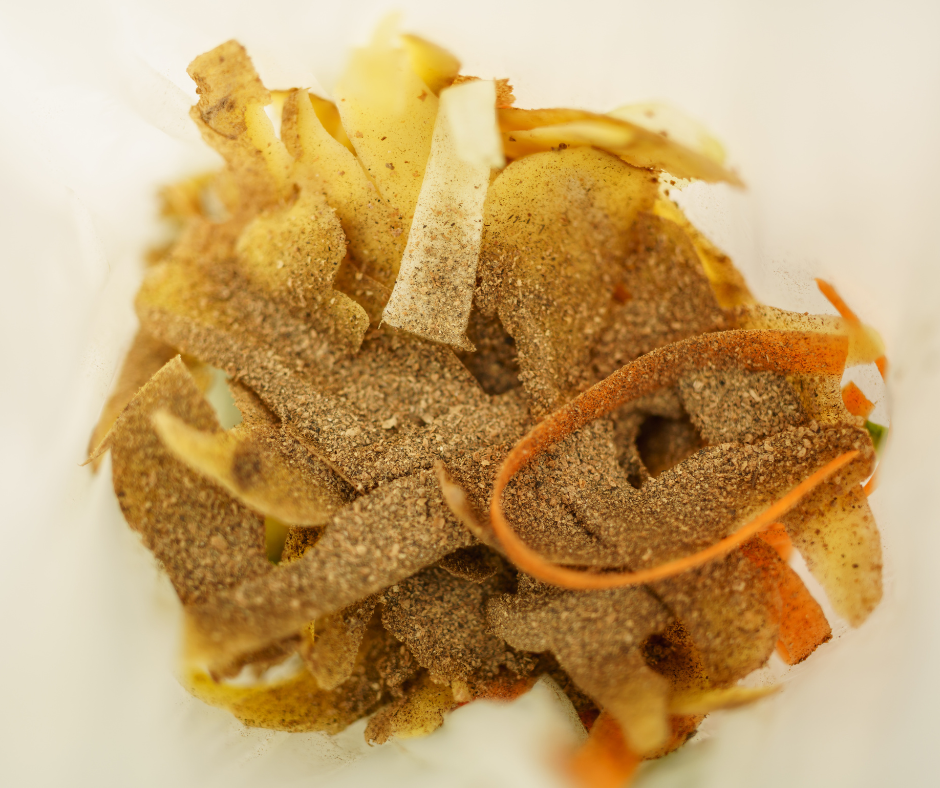
- Add a Layer of Bokashi Bran:
- Begin with a layer of Bokashi Bran at the bottom of the bin (approximately 1cm thick).
- Deposit Kitchen Scraps:
- Add kitchen scraps (fruit and vegetable peels, coffee grounds, cooked food, etc.) on top of the Bokashi Bran layer.
- Apply More Bokashi Bran:
- Sprinkle another layer of Bokashi Bran over the kitchen scraps. Ensure an even distribution.
- Compact and Seal:
- Compact the waste to remove air pockets, then firmly seal the bin lid to maintain an anaerobic environment.
- Repeat the Process:
- Continue layering kitchen waste and Bokashi Bran until the bin is full. Always compact and seal after each addition.
IV. Maintenance:
- Drain Bokashi Tea:
- Open the drainage tap regularly to collect nutrient-rich bokashi tea. Dilute with water and use it to fertilize your plants.
- Store Sealed for Fermentation:
- Once full, seal the bin for 2 weeks, allowing the fermentation process to complete.
- Transfer to Outdoor Compost:
- After fermentation, bury the bokashi pre-compost in soil or add it to your outdoor compost pile.

V. Tips for Success:
- Avoid Inorganic Waste:
- Do not include non-organic items, dairy, or excessive oils in your bokashi bin.
- Maintain Anaerobic Conditions:
- Keep the bin airtight to facilitate anaerobic fermentation.
- Balanced Bran Application:
- Achieve an even balance between kitchen scraps and Bokashi Bran to ensure effective fermentation.
VI. Troubleshooting:
- Unpleasant Odors:
- If foul odors persist, check for air leaks in the bin seal. Ensure a tight fit.
- Mold Growth:
- White mold is normal during fermentation. If other colors appear, reduce the moisture content.
VII. Conclusion:
By following these simple steps, you are contributing to a greener planet by transforming kitchen waste into valuable compost. Happy Bokashi Composting!
For further assistance or product inquiries, feel free to contact. You can purchase our very own Bokashi Bran here.
Happy Composting!
The African Micro Farm